

HELSINKI, Finland – As artificial intelligence continues to transform every aspect of business, one of Europe’s most influential leadership events turned its attention to a different question: what remains uniquely human?
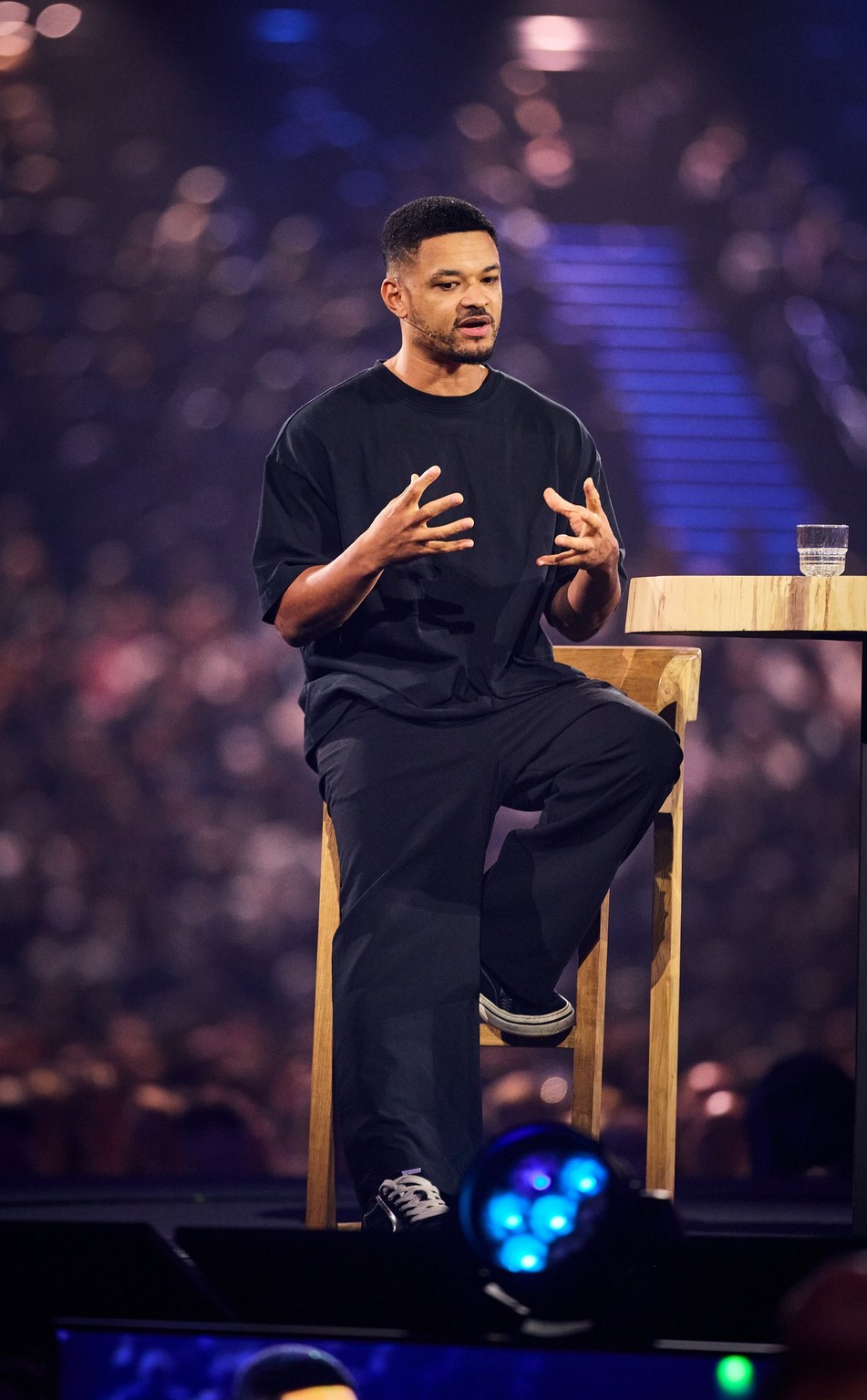
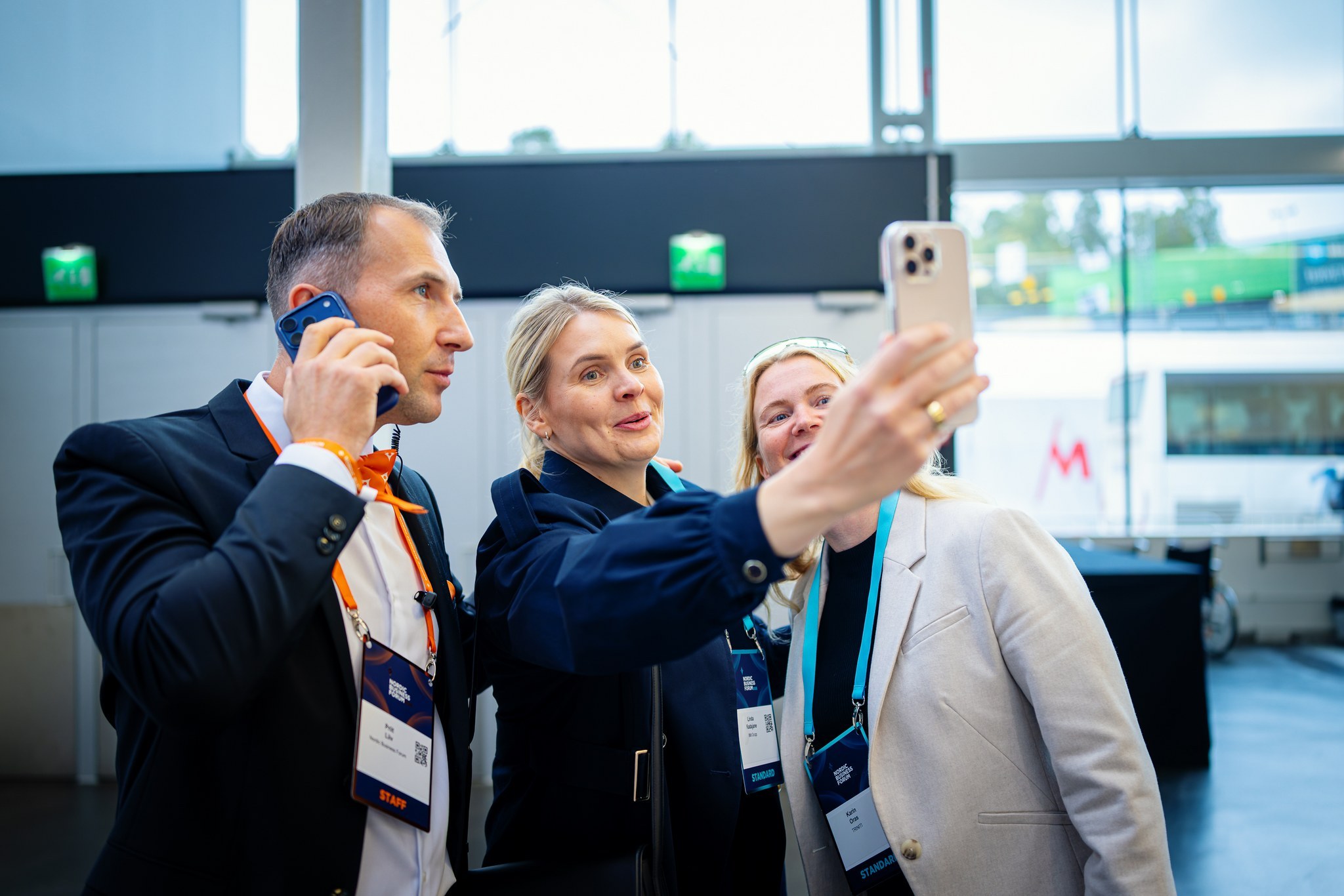
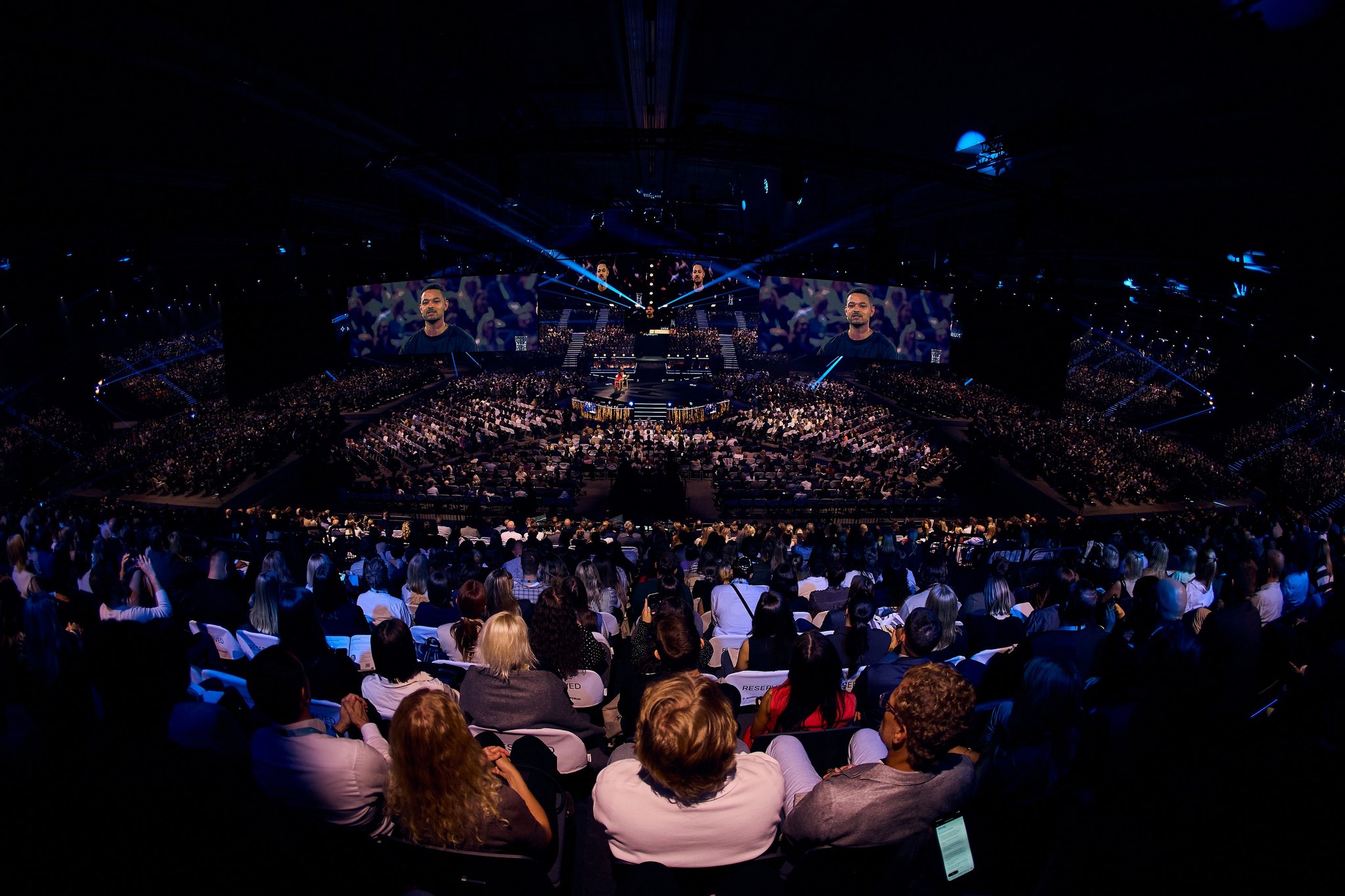
Held on September 16-17 at Helsinki’s Messukeskus Expo Center, Nordic Business Forum 2026 brought together more than 8,500 senior decision-makers from over 50 countries under the theme“The Human Edge.” The event focused on three pillars critical to modern leadership: decision-making, performance, and collaboration.
Featuring an exceptional lineup that included Oprah Winfrey, Steven Bartlett, Shawn Kanungo, Michael Beckley, Angela Duckworth, Patty McCord, Paul Polman, Rahaf Harfoush, Alison Wood Brooks, Nando Parrado, and Kjell A. Nordström, the forum explored how leaders can thrive in an era increasingly shaped by intelligent technologies.
Human Judgment Becomes the Ultimate Competitive Advantage
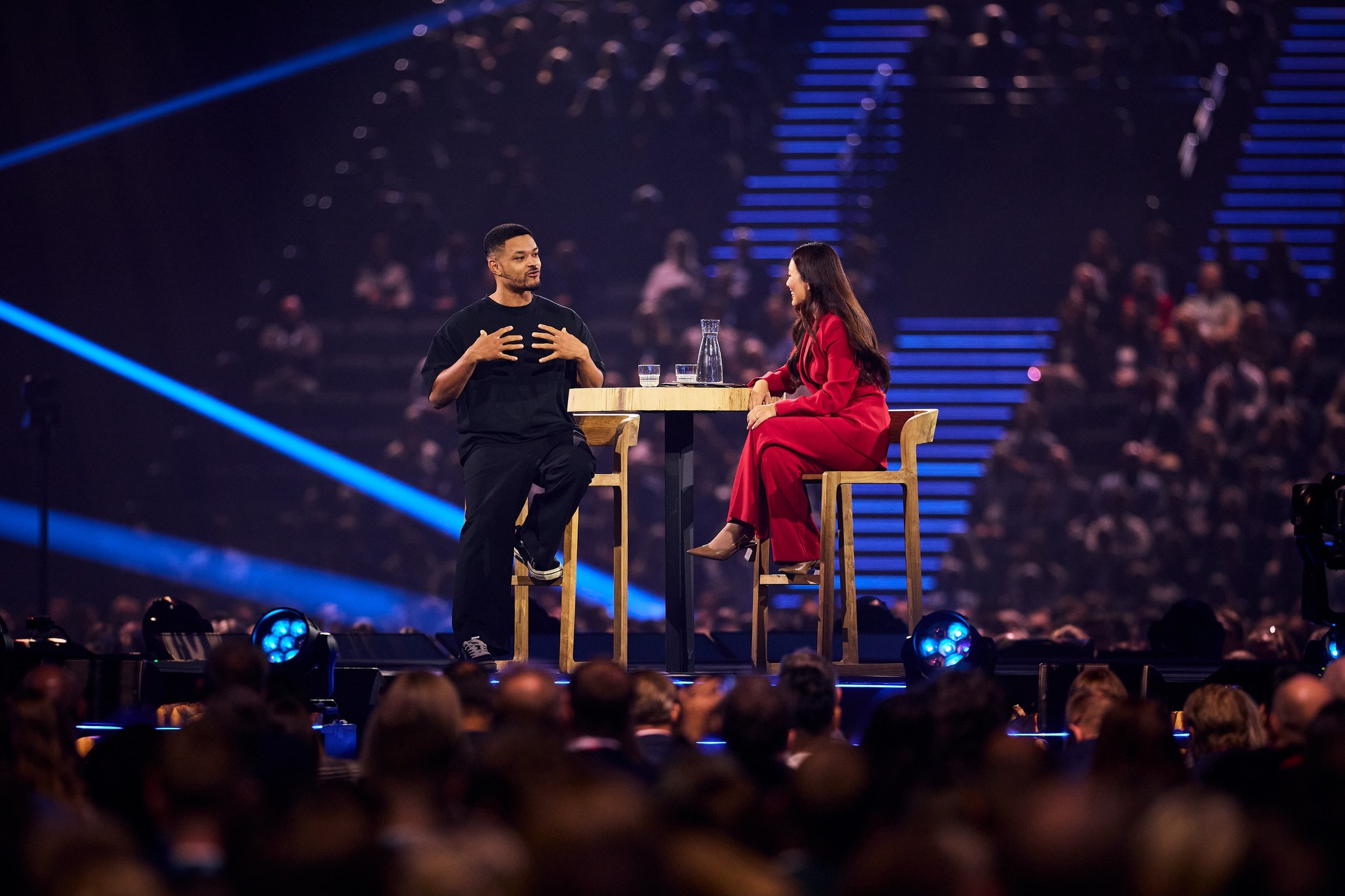
One of the strongest messages of the event came from innovation strategist Shawn Kanungo, who argued that as AI automates knowledge work and execution, human judgment is emerging as the most valuable business capability.
According to Kanungo, organizations that simply add AI tools to outdated processes risk missing the true opportunity. Instead, leaders should rethink their companies from the ground up, imagining what a business would look like if autonomous agents handled much of the operational work. In that environment, strategic thinking, discernment, creativity, and the courage to challenge conventional wisdom become far more important than routine execution.
His keynote reinforced one of the event’s central themes: technology may accelerate work, but human insight determines where organizations should go next.
The Power of Long-Term Thinking
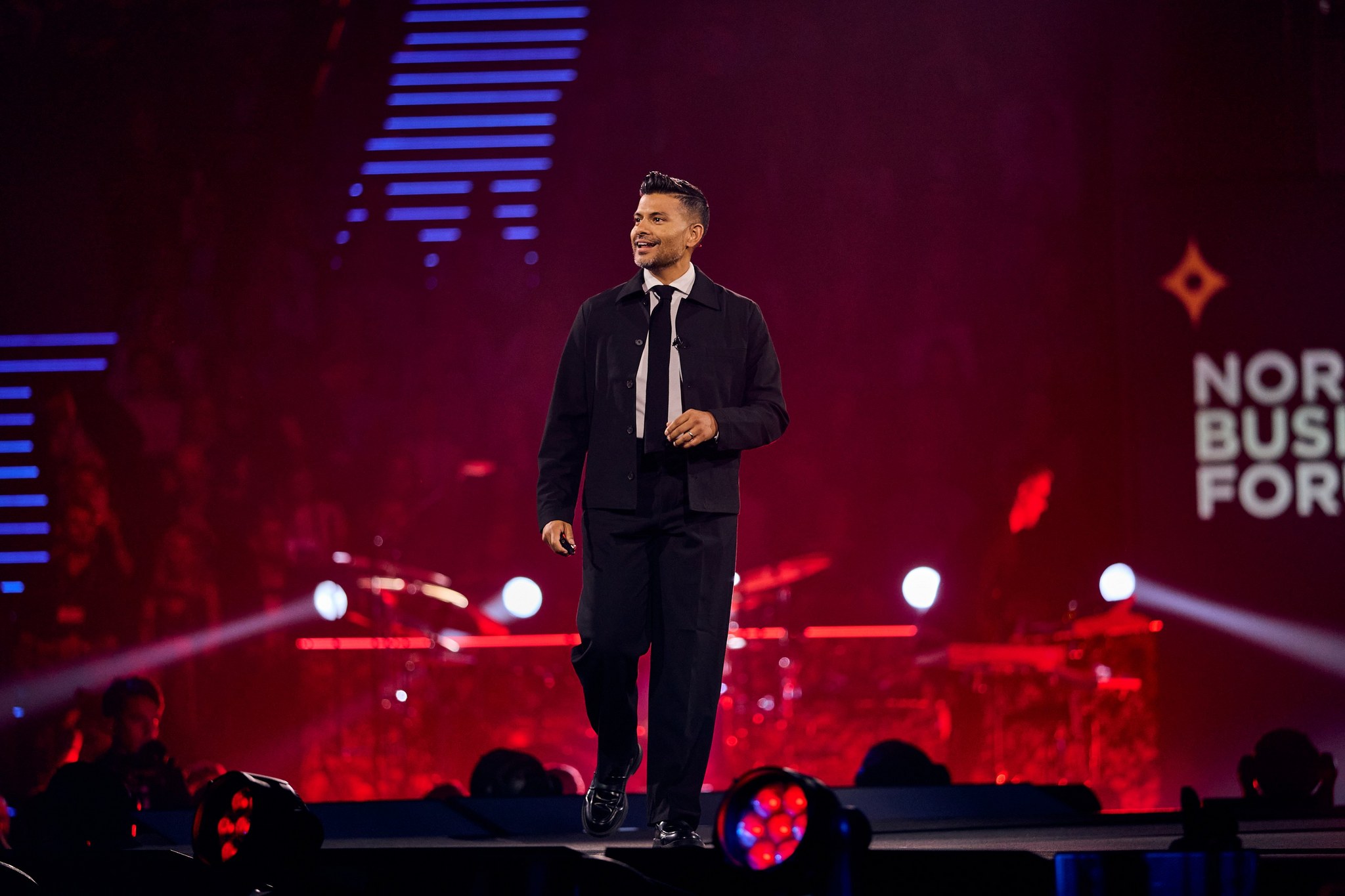
Entrepreneur and The Diary of a CEO host Steven Bartlett challenged leaders to shift their focus away from quarterly results and toward long-term value creation.
Bartlett emphasized that sustainable success is rarely driven by a single breakthrough. Instead, it comes from compounding small improvements over time and building cultures where experimentation is encouraged. He described failure not as a setback but as a source of knowledge, arguing that organizations learn faster when they test ideas, gather feedback, and adapt quickly. His message resonated strongly with executives navigating increasingly uncertain markets: the businesses best prepared for the future are often those willing to learn faster than their competitors.
Connection Remains a Leadership Superpower
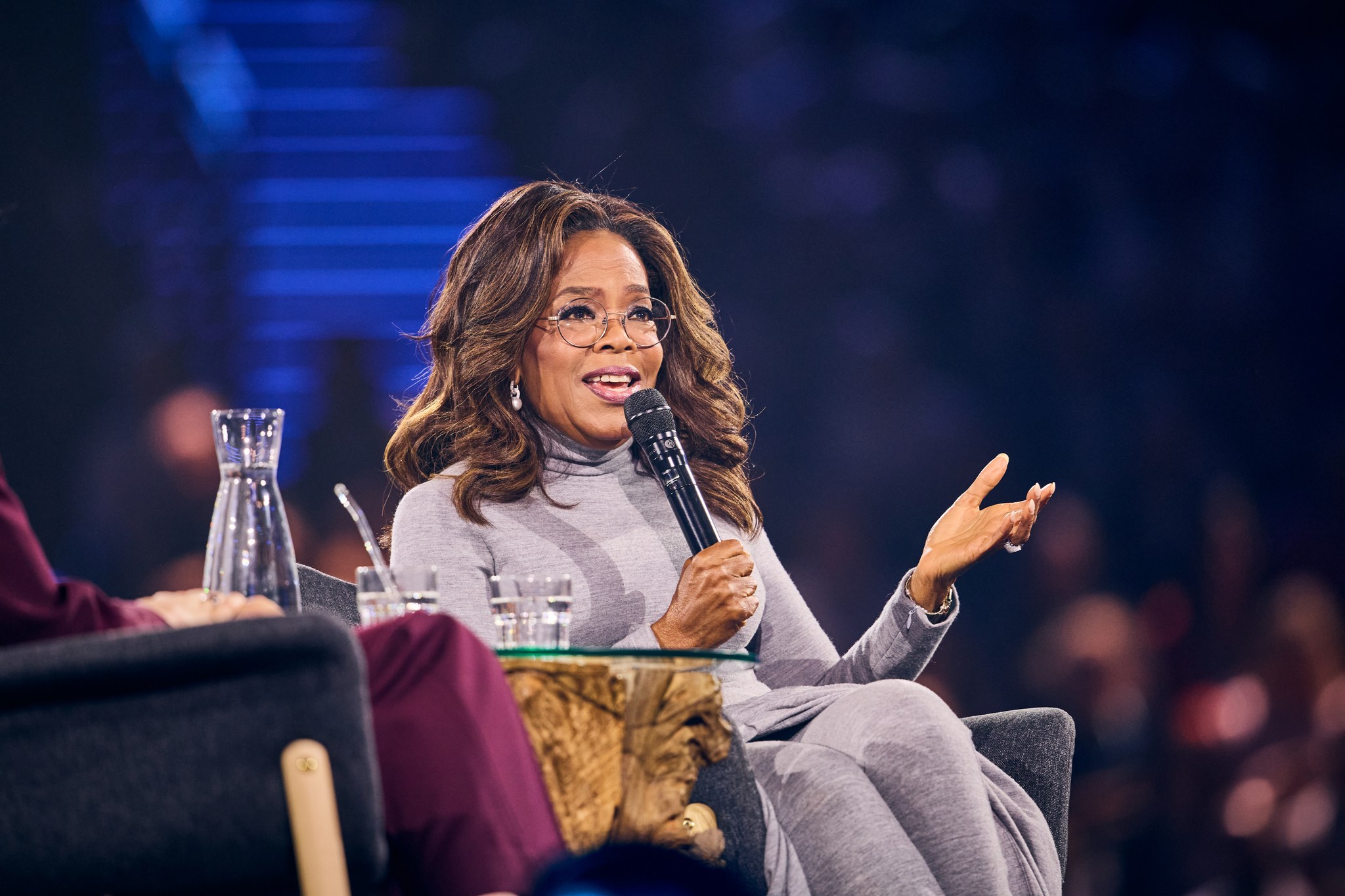
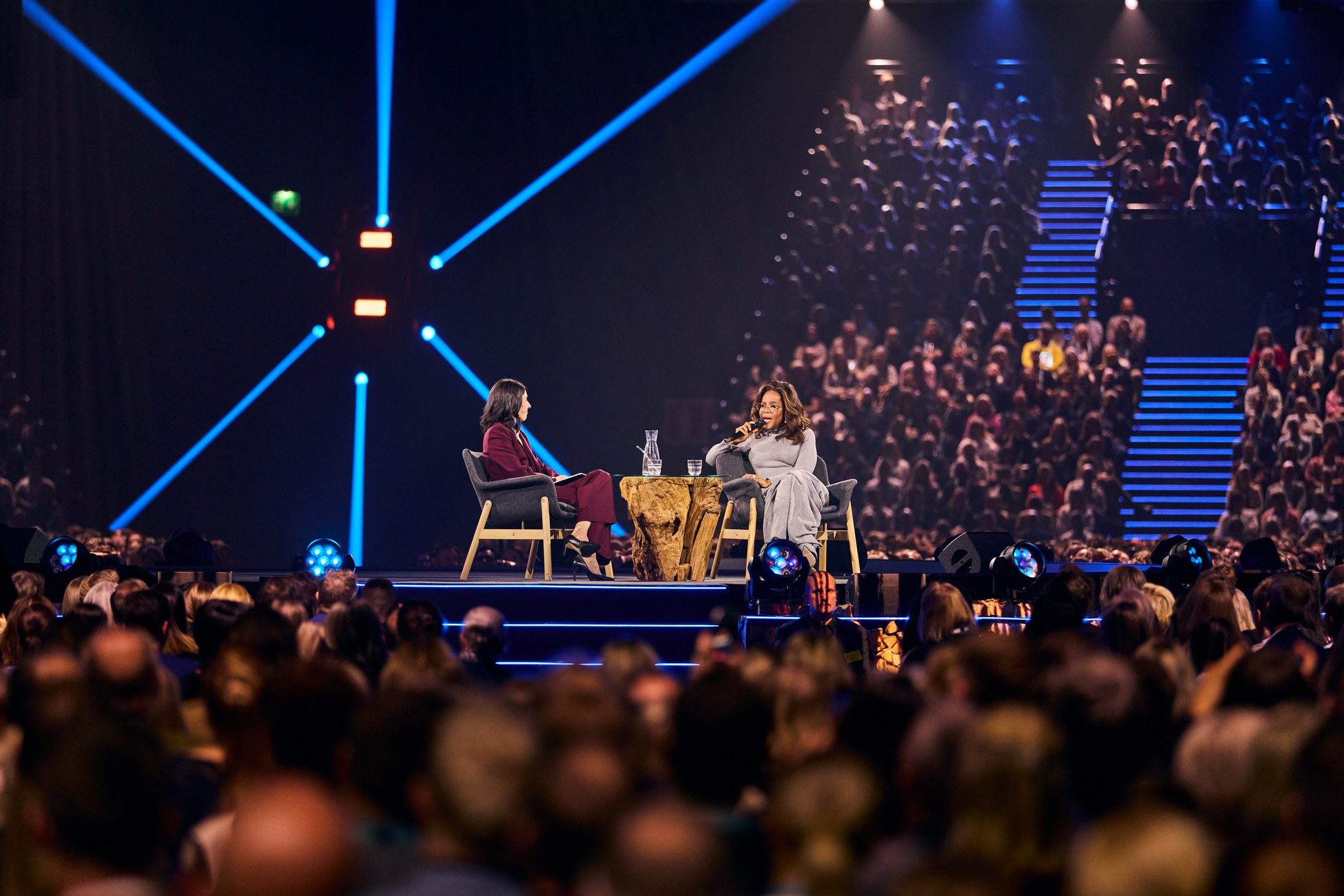
While technology dominated many conversations, Oprah Winfrey reminded attendees that leadership ultimately remains a human endeavor.
Drawing on decades of interviewing people from all walks of life, Winfrey spoke about the universal desire to be seen, heard, and understood. She encouraged leaders to practice genuine listening, clarify the intention behind their decisions, and create workplaces where employees feel valued and connected to a larger purpose.
Her keynote highlighted a recurring message throughout the forum: organizations may rely on systems and data, but trust, engagement, and culture are built through meaningful human relationships.
Preparing for a More Complex World
Geopolitical strategist Michael Beckley offered a broader perspective on the challenges facing businesses worldwide. He argued that the era of “easy growth” is ending as demographic shifts, rising debt levels, and growing geopolitical tensions reshape the global economy.
For business leaders, this means resilience is becoming as important as growth. Companies must prepare for supply-chain disruptions, changing trade relationships, and a more fragmented international environment while continuing to invest in productivity and innovation.
The Human Edge in an AI-Driven Future
The overarching conclusion from Nordic Business Forum 2026 was clear: as technology becomes more capable, human strengths become more valuable.
Whether discussing leadership, innovation, talent, or strategy, speakers consistently pointed to qualities that machines cannot easily replicate, including judgment, creativity, empathy, collaboration, courage, and purpose. These capabilities, rather than technology alone, will define the organizations that succeed in the years ahead.
In a business landscape increasingly shaped by automation, Nordic Business Forum 2026 delivered a timely reminder: the future belongs not only to companies that adopt AI, but to leaders who know how to amplify the distinctly human capabilities that technology cannot replace.