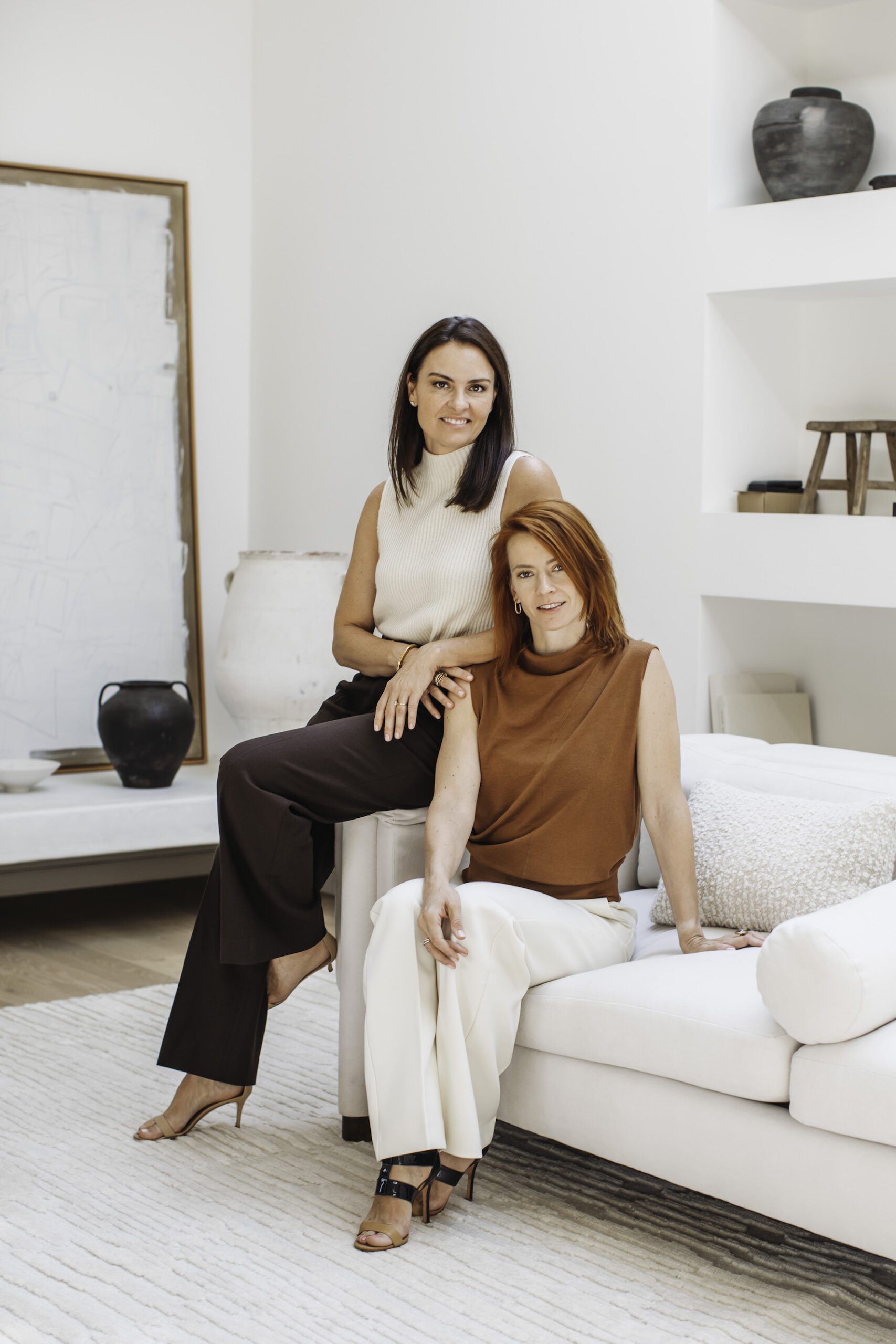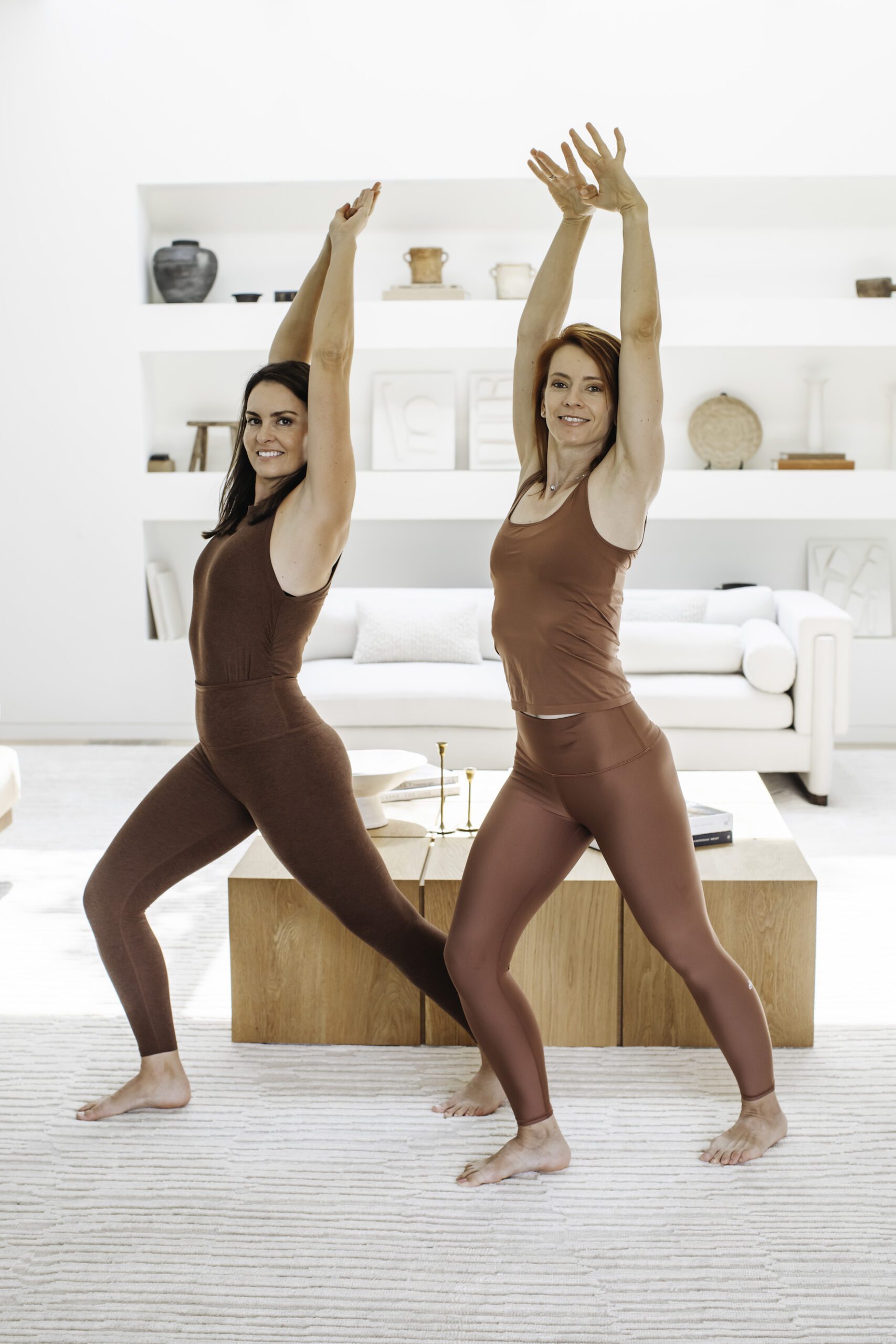

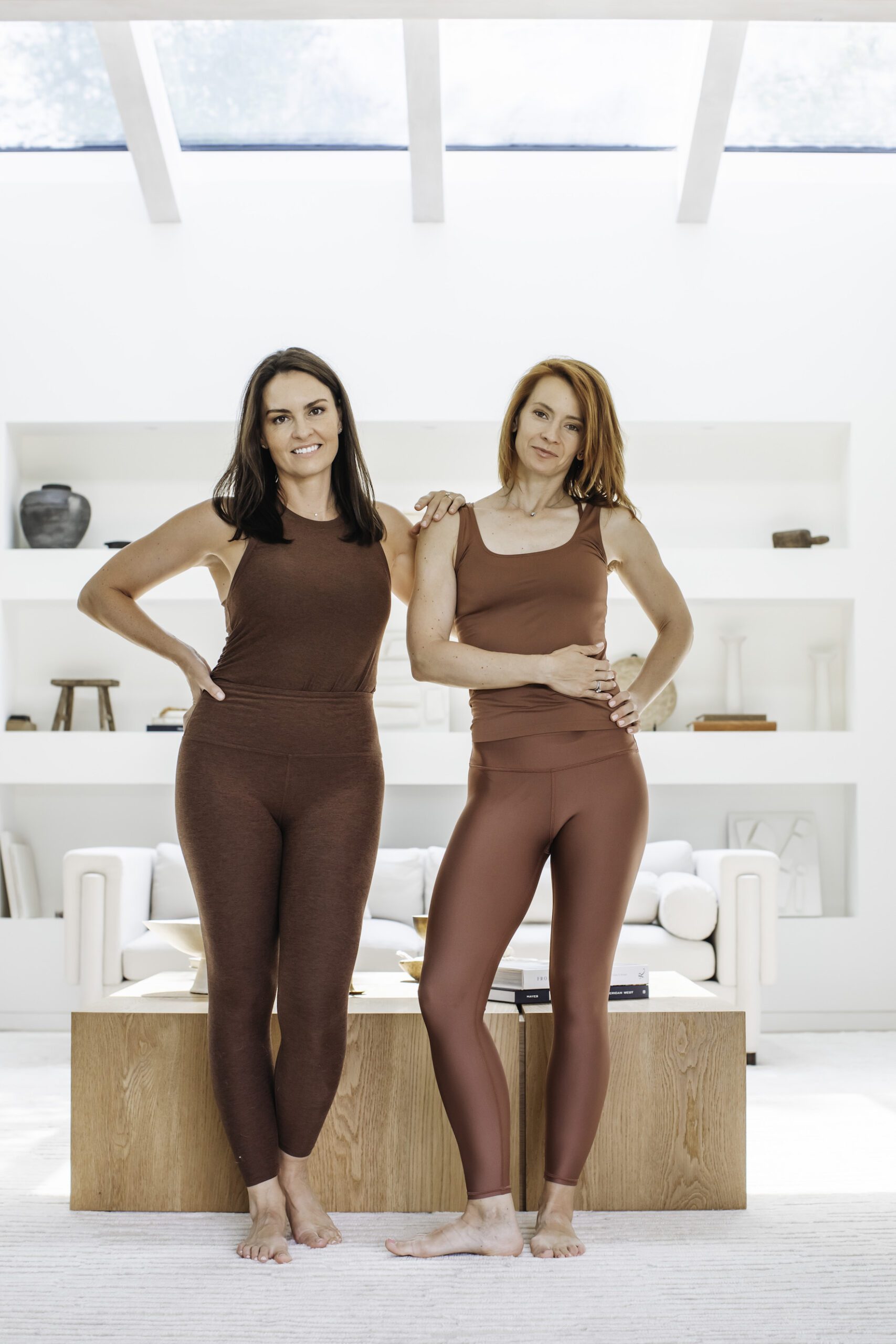
Women Shaping the Future of Wellbeing celebrates women who turn personal insight into collective transformation. Zsofia Jamieson and Marta Han, founders of The Fertility Class, created their platform after realizing how many women feel lost or unsupported when it comes to fertility and hormonal health. Their mission is simple yet powerful: to offer clear, science‑based guidance and therapeutic movement that help women reconnect with their bodies and make informed decisions without fear or overwhelm.
What personal experience or insight inspired you to create this project or company?
The Fertility Class grew out of a shared realization: most women are navigating their fertility and hormonal health without clear, accessible education or support. Through our own experiences and through working closely with women, we saw how often the journey felt confusing, isolating, or overly medicalized. There was a clear gap between clinical care and everyday understanding, and very little that felt both trustworthy and genuinely supportive.
We created The Fertility Class to bridge that gap. A space where women can better understand their bodies, feel confident in their reproductive choices, and engage with their fertility proactively, not just when something feels wrong.
What gap or unmet need in the wellbeing space are you addressing?
There’s a real gap when it comes to fertility. If you go through traditional healthcare, you’re often only getting support once something’s already wrong. Meanwhile, in the wellness space, there’s a lot of information, but not always the kind that’s grounded or easy to trust. We felt like there was nothing really sitting in the middle.
That’s what we’re trying to do with The Fertility Class: give women clear, science-backed information about their hormones and fertility that's practical and actually makes sense. Something you can come back to, understand, and use in your day-to-day life.
What makes your method, product, or philosophy different from what already exists?
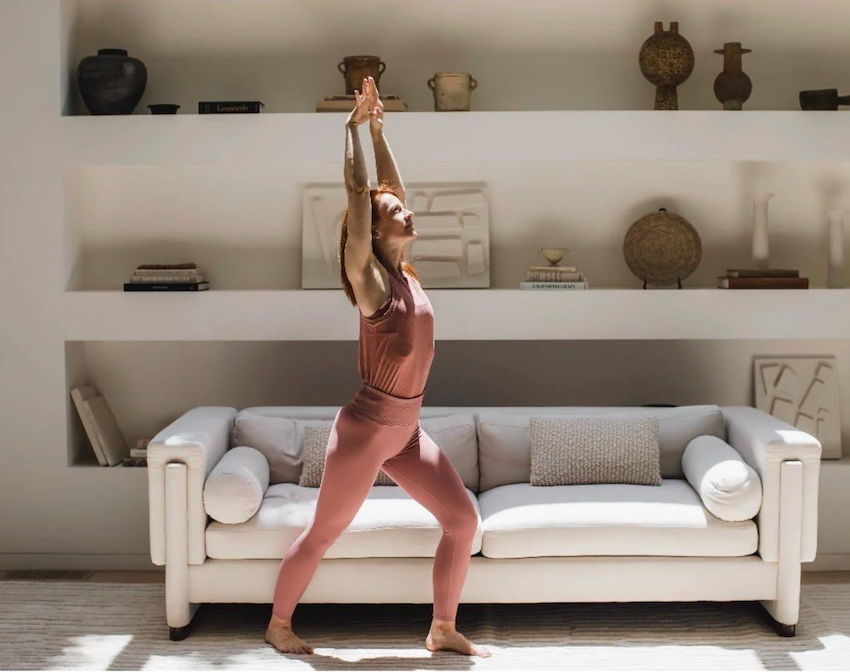
One of the biggest differences is that we don’t see fertility as a short-term problem to fix, we see it as something that’s connected to how you live, move, and support your body over time. A big part of what’s missing in the fertility conversation is movement. It’s rarely talked about in a meaningful way, especially when it comes to the reproductive system. We teach very specific, therapeutic movement classes that support the reproductive organs directly and that can have a real impact on hormonal health and fertility outcomes.
Alongside that, everything we do is grounded in education. We want women to actually understand what’s happening in their bodies, not just follow instructions or protocols. So it’s not about rushing toward a result, it’s about building awareness, connection, and trust in your body. The outcome matters, of course, but how you get there matters just as much.
How do you hope your work will transform women’s lives or the well-being landscape?
We hope that fertility health becomes a lot more openly talked about and a lot less reactive. That women feel informed and connected to their bodies and not like it’s something they only start thinking about when there’s pressure, or something isn’t working.
Because when you actually understand what’s going on in your body, things shift. You make decisions more easily, there’s less anxiety, and it becomes a conversation you can actually have, without it feeling overwhelming or loaded.
More broadly, we’d love to see fertility and reproductive health become part of everyday wellbeing. Something women understand in the same way they understand things like nutrition, movement, or mental health, just a normal part of how you take care of yourself.
What has been the biggest challenge in bringing your vision to life, and what did it teach you?
One of the biggest challenges has been introducing something that isn’t new globally but still feels unfamiliar in the United States. The fertility-focused movement has been around for decades and is well understood in other parts of the world. But in the U.S., there’s less awareness around it and a bit of hesitation, simply because it’s not something most women have been exposed to. So part of our work has been helping women understand that this is a valid, supportive approach to fertility and hormonal health, not something alternative or out of reach.
What it taught us is how important trust and education are. You can’t rush that. You have to meet women where they are, explain things clearly, and let them experience the impact for themselves - and when they do, it's magic.
What rituals, habits, or practices keep you grounded and well?
For both of us, it always comes back to the same thing: staying connected to our bodies and keeping things consistent, without trying to do everything perfectly.
We both aim to move every day in a way that feels supportive. That usually looks like getting in around 10,000 steps, strength training a few times a week, and doing fertility-focused exercises regularly as well. It’s not about doing everything at once, but about keeping a rhythm that feels sustainable.
Beyond that, we pay attention to the basics - sleep, how we’re eating, spending time outside, and staying aware of our cycles. And then just creating a bit of space where we can. Slowing down, checking in, not constantly pushing. This creates the space to keep ourselves grounded for our families, as well as for the women we support.
How do you envision the future of wellbeing, and what role do you hope to play in it?
We see the future of wellbeing becoming much more personal, more preventative, and more rooted in education, especially when it comes to women’s health. Fertility and hormonal health won’t feel like niche topics anymore. They’ll just be a normal part of how women understand and take care of their bodies. We hope The Fertility Class can play a role in making that kind of knowledge more accessible and easier to engage with, so women can make decisions from a place of understanding, not guesswork.
At the core of it, we want to shift the way fertility is seen. Not something that only matters when you’re trying to conceive, but something that belongs to you at every stage, from puberty to menopause.