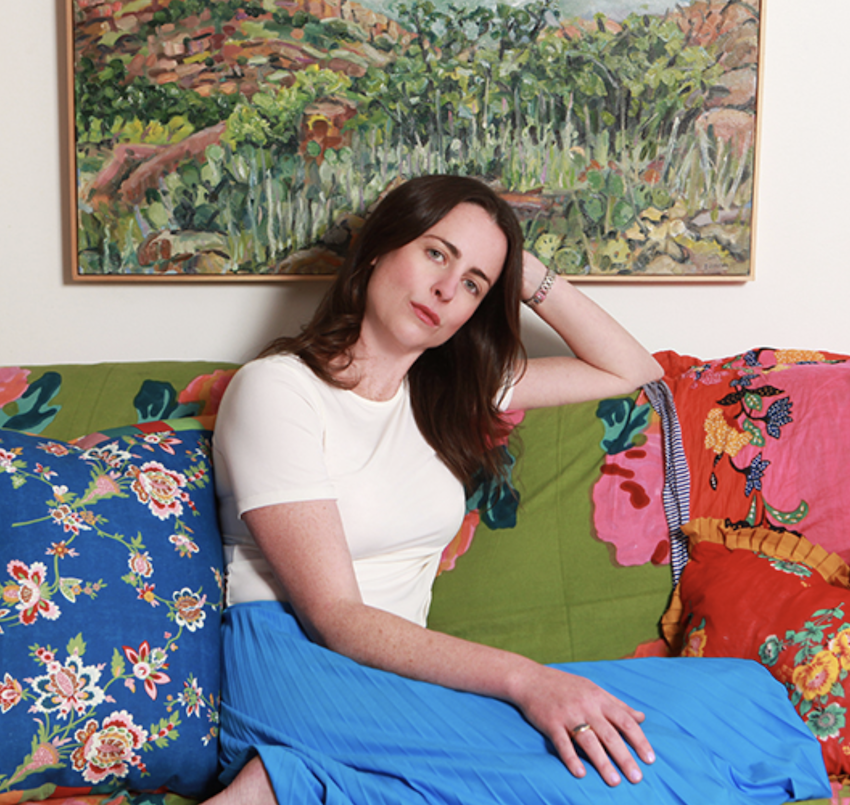

In a world where women’s bodies are still misunderstood, minimized, or censored, Carolyn Wheeler is pushing back with science and clarity. As CEO and Co‑Founder of Vella Bioscience, she is redefining what it means to innovate in women’s sexual wellbeing. Her work exposes the cultural blind spots that shape our understanding of arousal, pleasure, and physiology and challenges the systems that keep women uninformed. With a research‑driven approach and a fearless commitment to truth, she is helping build a future where women’s health is studied, spoken about, and valued with the depth it deserves.
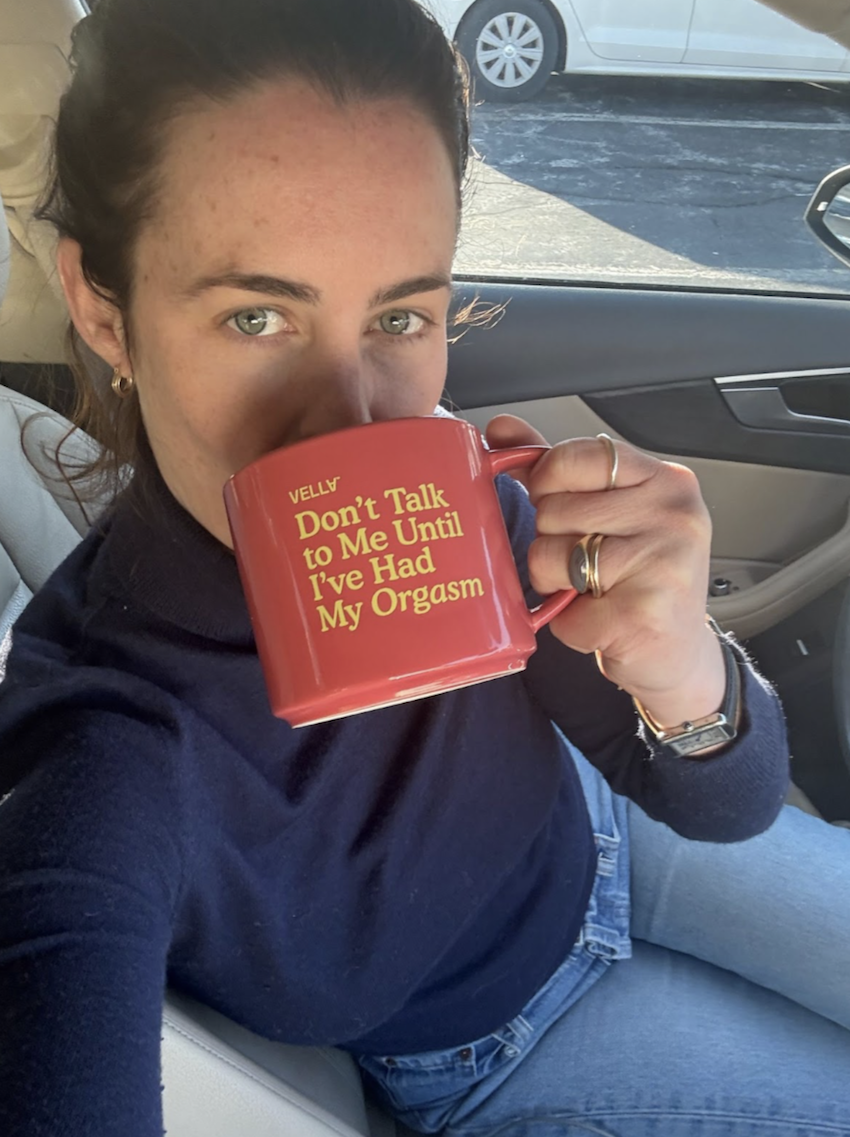
What personal experience or insight inspired you to create this project or company?
As a person who thought she had a solid, albeit basic, understanding of how the world works, I was amazed that it took me until the age of 30 to learn that women have (and require for climax) boners too, essentially. Learning this didn't completely reconceptualize my understanding of sex and my body, but it got close. It prompted me to really consider what else I didn't know about my body, and why I didn't know it. The opportunity to reveal what feels like closely guarded secrets about our bodies, and to give our bodies the attention of science that they deserve, felt like really rich and fertile ground to build a company from.
What gap or unmet need in the wellbeing space are you addressing?
The team at Vella Bioscience is addressing one of the most ubiquitous conversations in women’s health: Where is our Viagra? Except, to address this issue, we have to educate on what the expectation should be for a “female Viagra” in the first place. Because it is not—as media, culture, and some pharmaceutical marketing departments seem to be confused by—something for increasing libido or sex drive. Viagra does not, in and of itself, make a man horny. The purpose of Viagra for men is to create a genital blood flow event (i.e., erection). So, when we apply the topic of Viagra to women, it’s curious that so often what gets discussed is a drug that acts on the brain and not our vaginas. Because what if it’s not all in our heads?
What makes your method, product, or philosophy different from what already exists?
Research & Development is what defines our company. We have a lab in Boston, and more scientists on staff than in sales and marketing. We are committed to the long timeline that innovation requires. There are not many CPG companies that can say that, let alone those operating in women’s health. That said, we maintain that the risk/reward scenario of investing in women’s health leans too heavily on reward right now to forfeit the timetables that scientific discovery requires. There’s so much left to discover about ourselves. This is the lens through which we see the world, and informs everything we do.
How do you hope your work will transform women’s lives or the wellbeing landscape?
So often, as women, we are told to just suck it up—either because what is wrong with us cannot be properly determined or because there’s no safe and effective solution to help. It’s an easy prescription to trust when we get it, in part because we’ve received it so often. But the goal of our work is to undermine the conceit that a) we should suffer and b) we know all there is to know about our bodies. We won’t discover it all in my lifetime, but I hope we will become, as a society, less naive and more in awe of how much is left there to learn, to uncover.
What has been the biggest challenge in bringing your vision to life, and what did it teach you?
The biggest challenge has been confronting how deeply puritanical attitudes toward women and sexuality shape the media landscape, making it incredibly difficult for a women’s sexual health brand to educate openly online. This forced me to get more creative and lean heavily into research and education, which revealed major gaps—like the fact that less than 25% of women can accurately define physical arousal. While this didn’t solve issues like being shadow‑banned, it taught me that questioning ignorance opens new opportunities for insight and impact.
What rituals, habits, or practices keep you grounded and well?
Being deeply engaged with my imagination feels especially important for me right now. So I like making art and reading fiction. Reading fiction is really key for me to stay grounded. The exercise of imagining another person’s life and other possibilities is critical. It helps my sense of self and how I understand what it means to navigate the world, or to have a life, essentially.
How do you envision the future of wellbeing, and what role do you hope to play in it?
The world I envision is one where we have a more nuanced, more complete vocabulary to communicate our health and say how we feel. Since a language becomes more useful the more it’s spoken, I hope to use my position as a means to amplify some of the words that we’re currently missing. Words that would be helpful to know.
Link: https://vellabio.com/