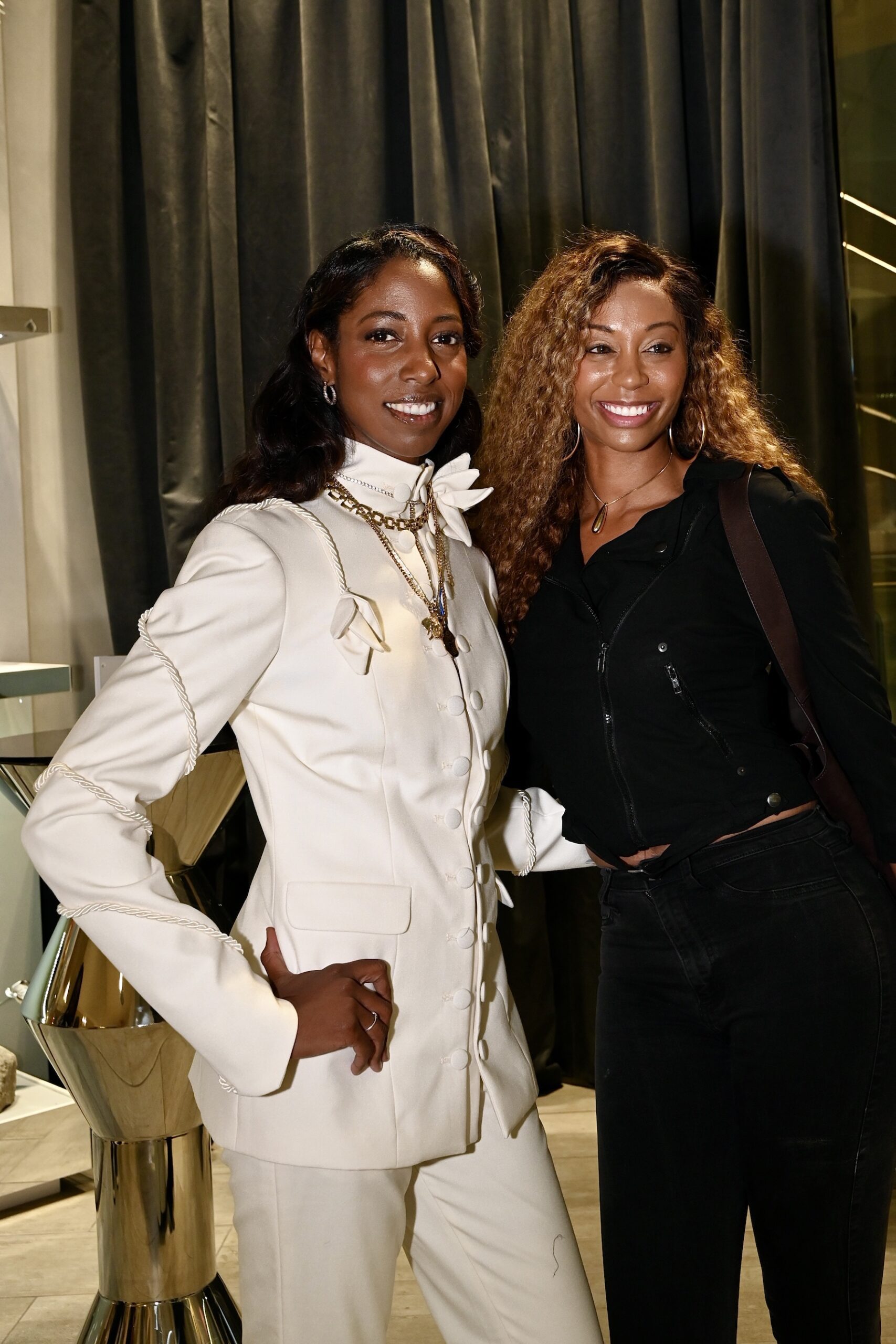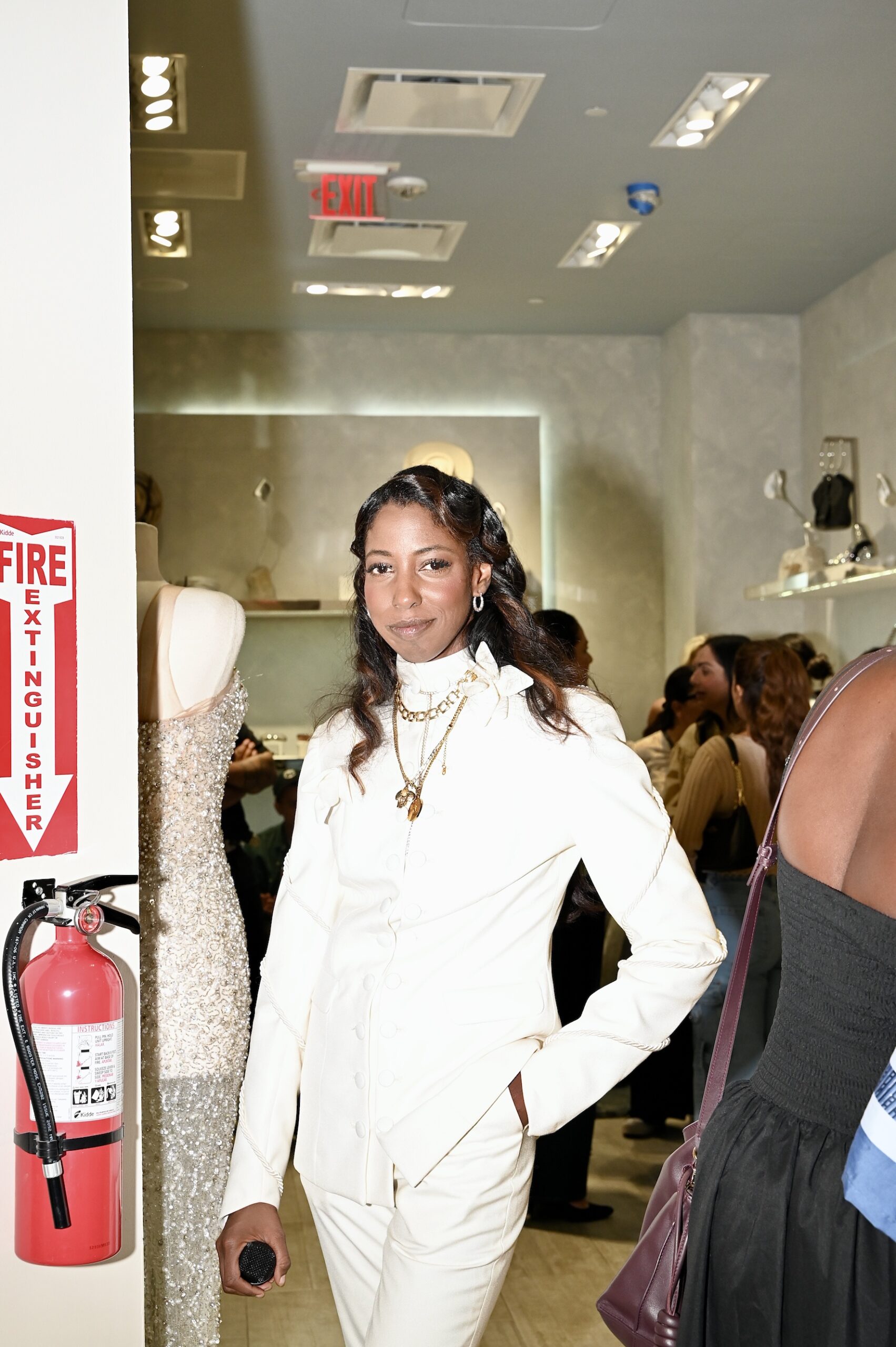

As conversations around climate justice, entrepreneurship, and economic empowerment take center stage this Juneteenth, climate activist and founder Nyleve Henry is reframing how fashion can contribute to a healthier planet. Through Looks For Lease (L4L), her circular fashion technology company, Henry is building the infrastructure she believes the industry has lacked for decades: systems designed to keep garments in circulation longer while creating new revenue opportunities for brands, designers, and retailers.
Henry’s path toward circular innovation began during her twelve years as a supply chain and operations leader for major consumer packaged goods companies. In those roles, she witnessed how global supply chains generate pollution, waste, and resource depletion as part of their standard operations. “Corporations were built to optimize linear supply chains, not circular ones,” she explains. “If we want to transform how products are consumed, we need entirely new infrastructure, not just better intentions.”
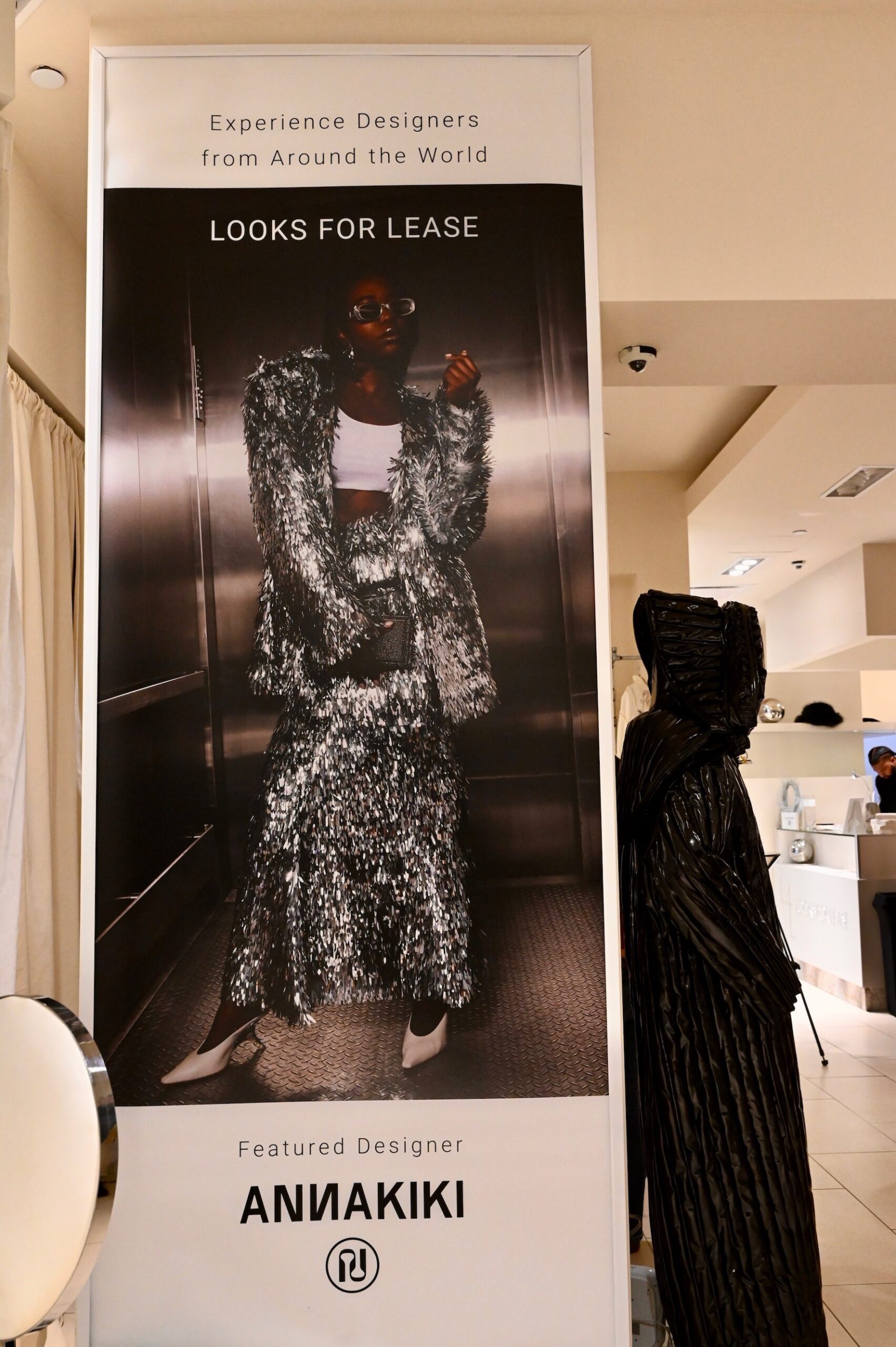
This realization inspired her to create Looks For Lease, a company redefining how fashion moves through the world. Through wardrobe leasing, circular logistics, and technology solutions, L4L helps consumers access fashion over owning it, while empowering brands to unlock new revenue streams from the same inventory. The company’s proprietary Circular Inventory Tracking System manages the entire lifecycle of a leased garment from checkout to cleaning, inspection, redistribution, and analytics allowing inventory to circulate continuously and more efficiently.
The Real Challenge: Infrastructure, Not Consumer Demand
Henry challenges one of the industry’s biggest misconceptions: that consumers are not interested in renting fashion. “More than 44 million consumers are actively looking for new ways to access products without owning everything they use,” she says. The real barrier is not demand it is infrastructure.
Retailers lack the operational systems and technology needed to launch and scale circular distribution programs. L4L fills that gap through a software-as-a-service (SaaS) model that integrates directly into a brand’s existing website, allowing customers to choose between purchasing or leasing from the same storefront. This approach not only simplifies consumer experience but also enables brands to generate multiple revenue opportunities from a single garment.
Cultural Momentum and Circular Experiences
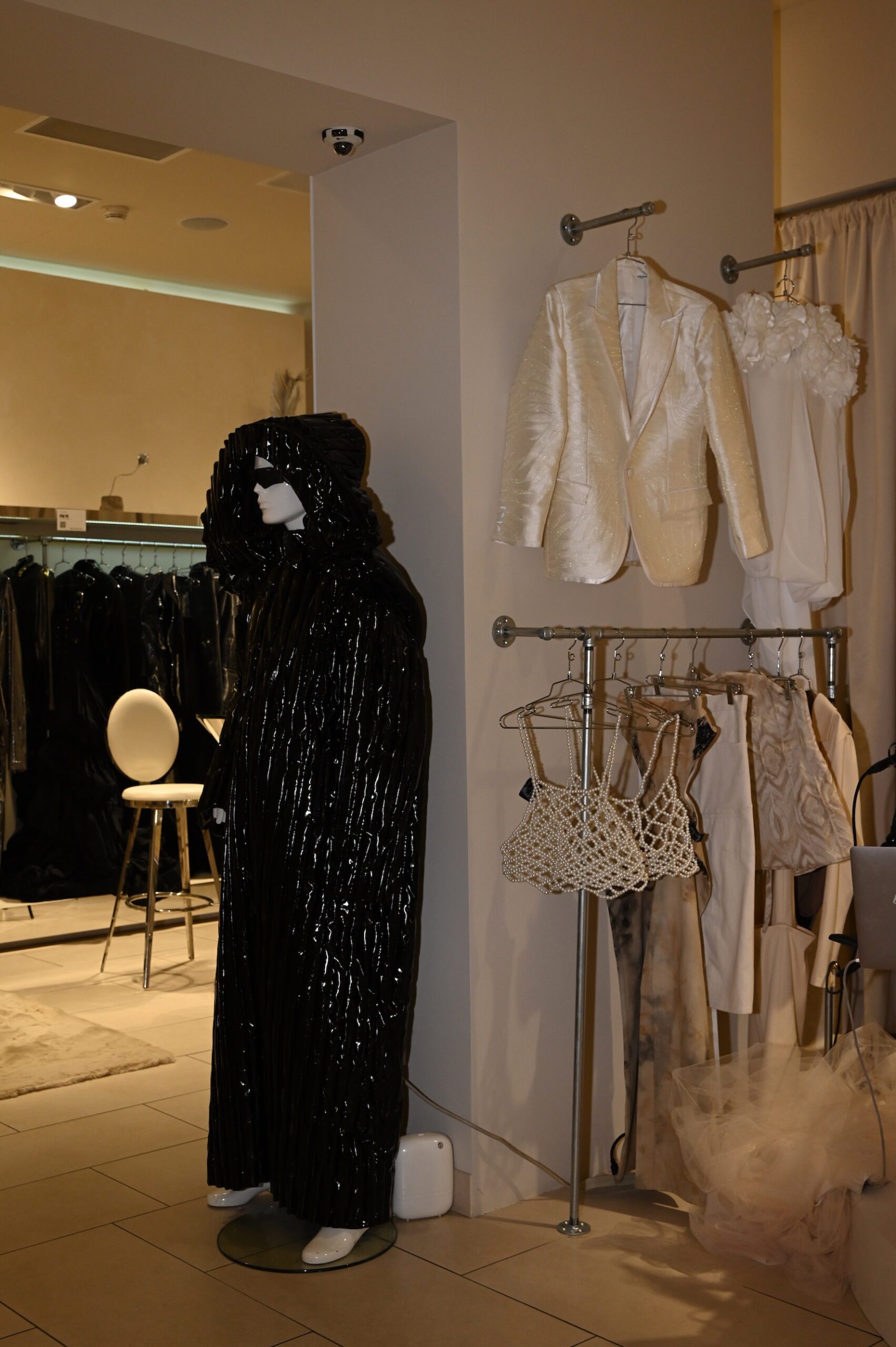
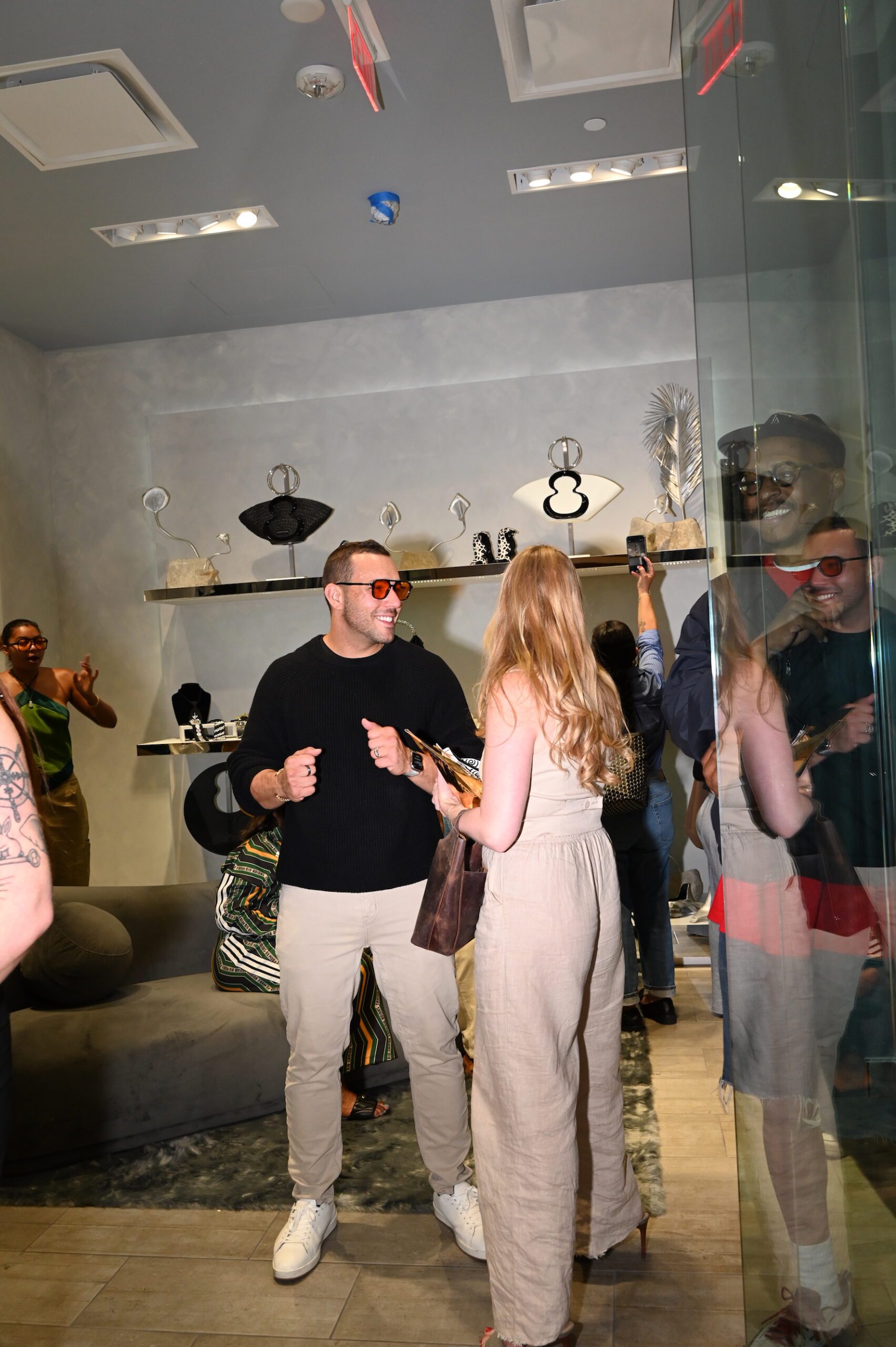
Although L4L officially launched at the Beverly Center in Los Angeles in June 2024, the company has already demonstrated cultural impact. Their 2024 Grammy Style Suite proved that experiential fashion can thrive in retail environments, leading to a forthcoming Beverly Center location in 2026. L4L has also collaborated with Moda Operandi and media personality Loren LaRosa to introduce “Loren’s Closet,” an activation designed to bring curated fashion experiences back to the mall.
Celebrity stylist Zerina Akers, known for her work with Beyoncé, is a board member and collaborator, curating “Zerina’s Closet” for the L4L showroom. The brand’s designer roster includes emerging and bespoke creators from Paris, Colombia, and beyond, reflecting Henry’s commitment to global creativity and access.
But Henry emphasizes that the broader story is not about a single store opening. It is about whether circular distribution can become part of mainstream retail infrastructure at a moment when regulators, brands, landlords, and consumers are urgently seeking solutions to fashion’s waste problem. California’s Senate Bill 707, which requires fashion companies generating over $1 million in revenue to integrate circularity, including resale, repair, and recycling, is one example of how policy is beginning to reshape the industry. Henry is actively working with the state to include rental and leasing in future legislation.
Circularity Beyond Borders
Henry sees significant potential for circular distribution across Latin America, where sharing economies and resource-conscious behaviors are already culturally embedded. At L4L’s Beverly Center headquarters, the company carries brands from Mexico and has observed strong interest in making premium fashion more accessible. She also envisions circular distribution transforming tourism by allowing travelers to lease locally curated fashion upon arrival, reducing the environmental impact of travel and overconsumption.
Leading with Humanity
As a Black woman founder in climate and tech, Henry’s leadership is rooted in unity and collective responsibility. “I don’t lead with race or gender I lead with humanity,” she says. Her mission is grounded in the belief that every person deserves the opportunity to live a healthy, thriving life. Climate change, she argues, is the greatest existential threat facing humanity, and solving it requires collaboration across communities, industries, and borders.
Her breakthrough moment came when she realized that business could be a force for systemic change. By building infrastructure rather than trends, Henry is creating a model that empowers brands, supports consumers, and protects the planet. It is a vision of fashion that is regenerative, accessible, and deeply aligned with climate justice.
Looks For Lease is not just redefining how fashion is worn; it is redefining how fashion circulates, how value is created, and how the industry can evolve toward a more sustainable future.