

Held from April 14 to 17 in Guadalajara, Mexico, Volvo Fashion Week Mexico Guadalajara unfolded as a four‑day celebration of national talent, cultural identity, and contemporary design. Although the official schedule featured notably few women designers, the week was strikingly framed by two powerful female-led visions: Julia y Renata, who opened the event, and Sentimiento, who closed it. Their presence created a compelling narrative arc, a quiet contradiction that highlighted how women shaped the emotional and conceptual resonance of the entire edition.
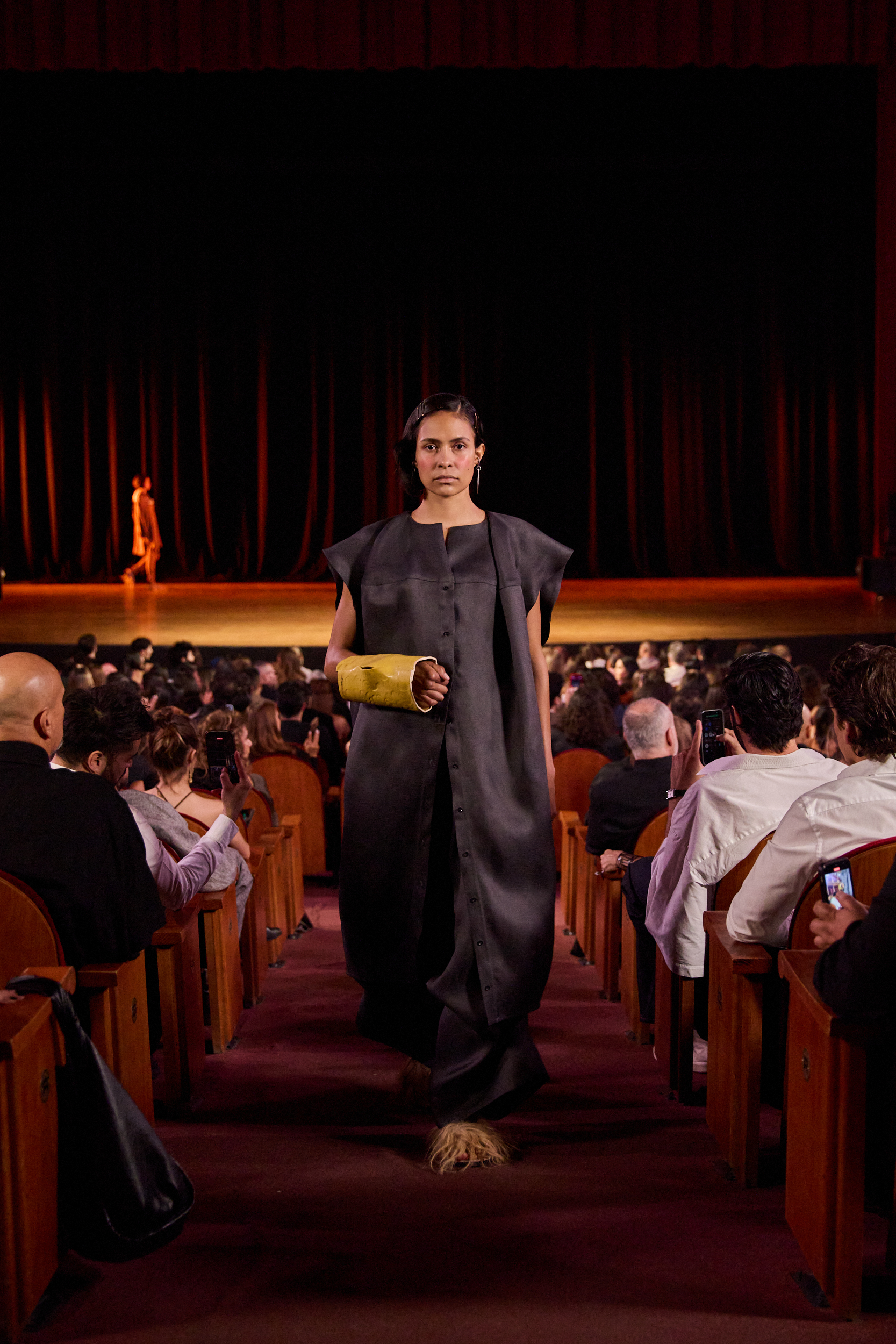
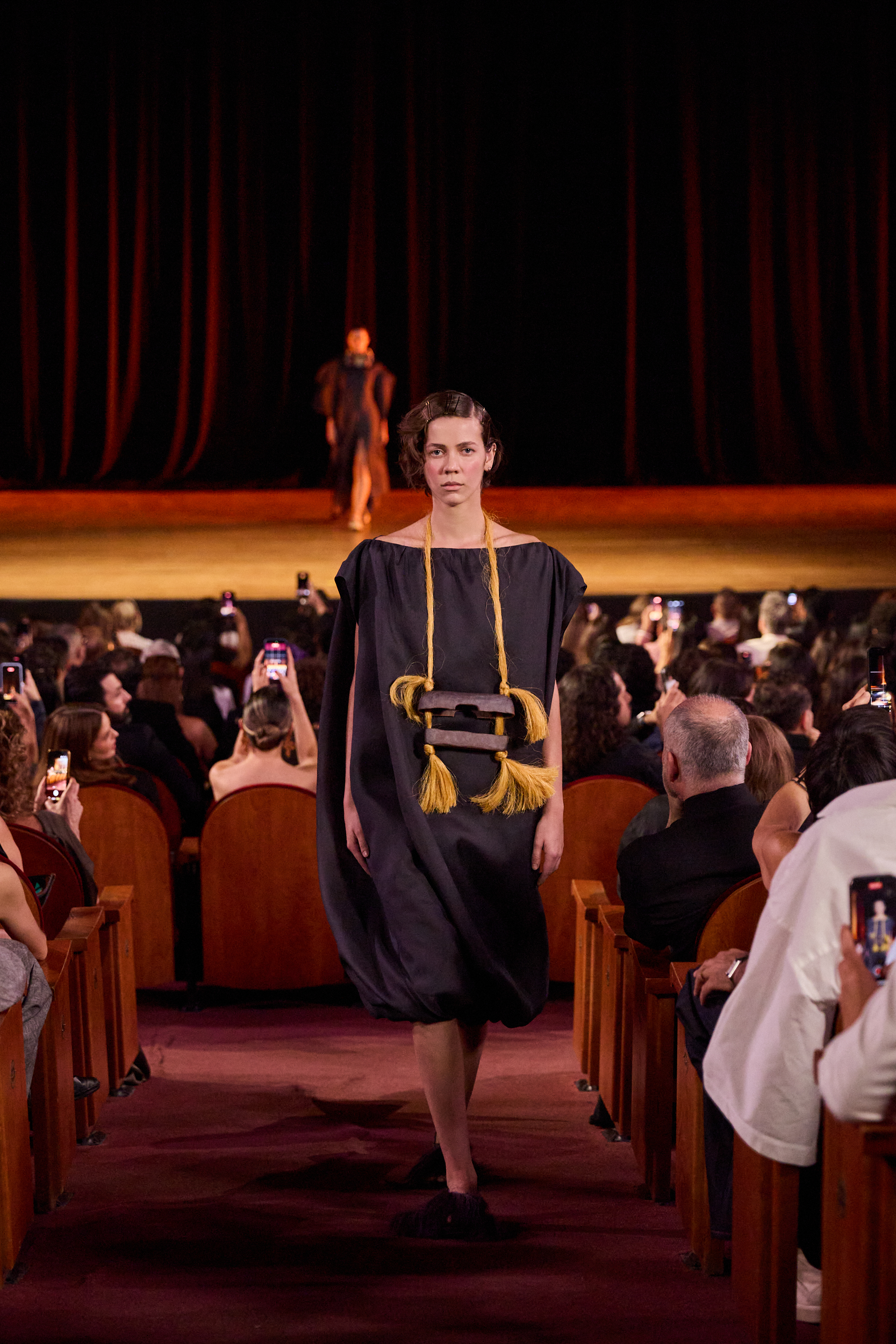
The opening show by Julia and Renata set a reflective and sensorial tone. Their collection explored the act of naming as a conceptual gesture, transforming voice into textile matter through subtle cuts, curves, and morphological variations. Moving between whisper and silence, the designers crafted a dialogue between body, voice, and materiality. A live reinterpretation of Zion by Ely Guerra intensified the experience, underscoring the artistic depth women brought to the very first moment of the week.
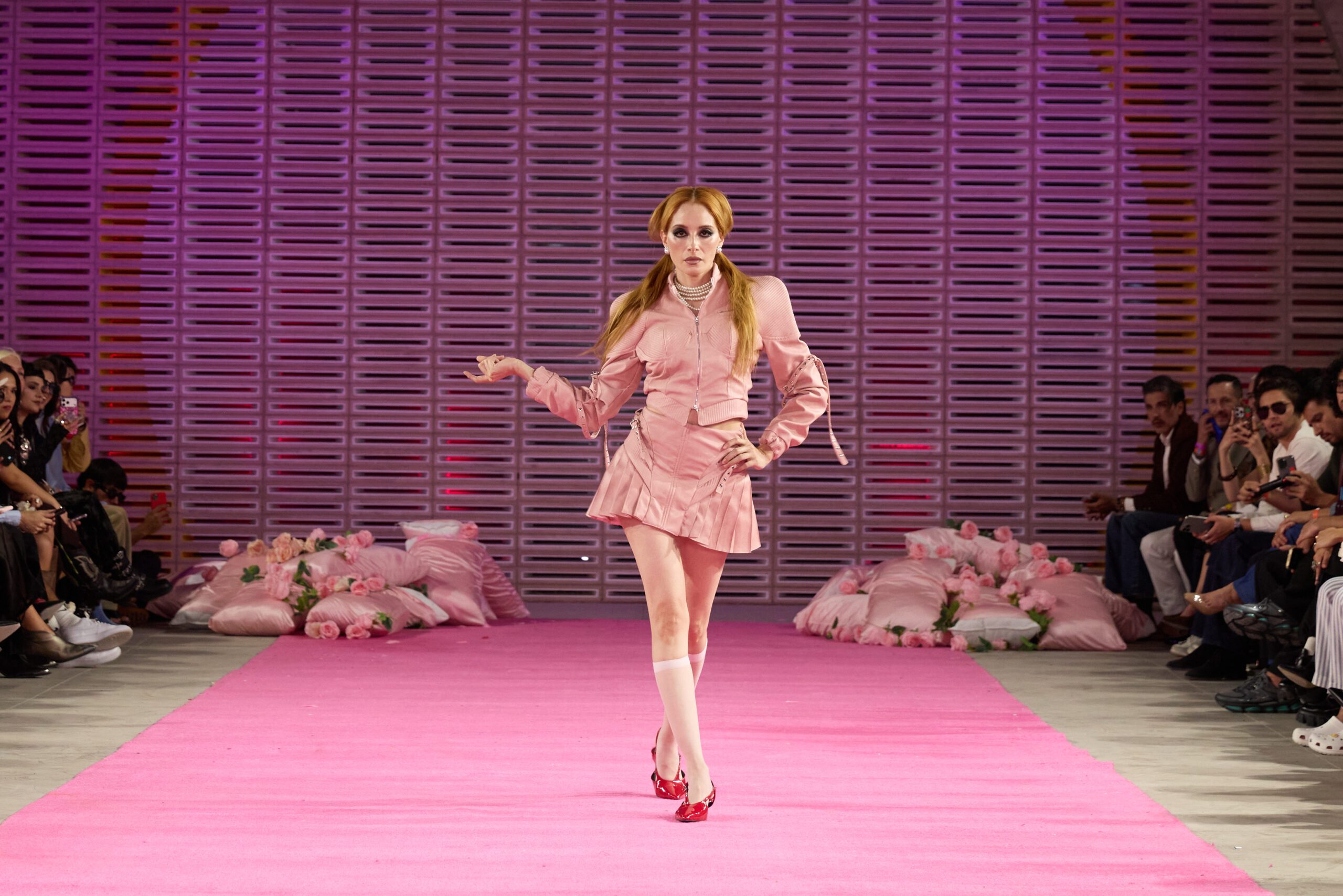
Later in the program, Vanebon added another female perspective with Primadonna, a collection rooted in the intimate universe of adolescence. Through a surreal, cinematic “pajama party,” the brand brought to life archetypes of girlhood: the romantic, the rebel, the pop star, the cool girl, the performer, each embodying desires and identities formed in private spaces. It was a tender, imaginative reflection on becoming and on the dreams that shape young women.
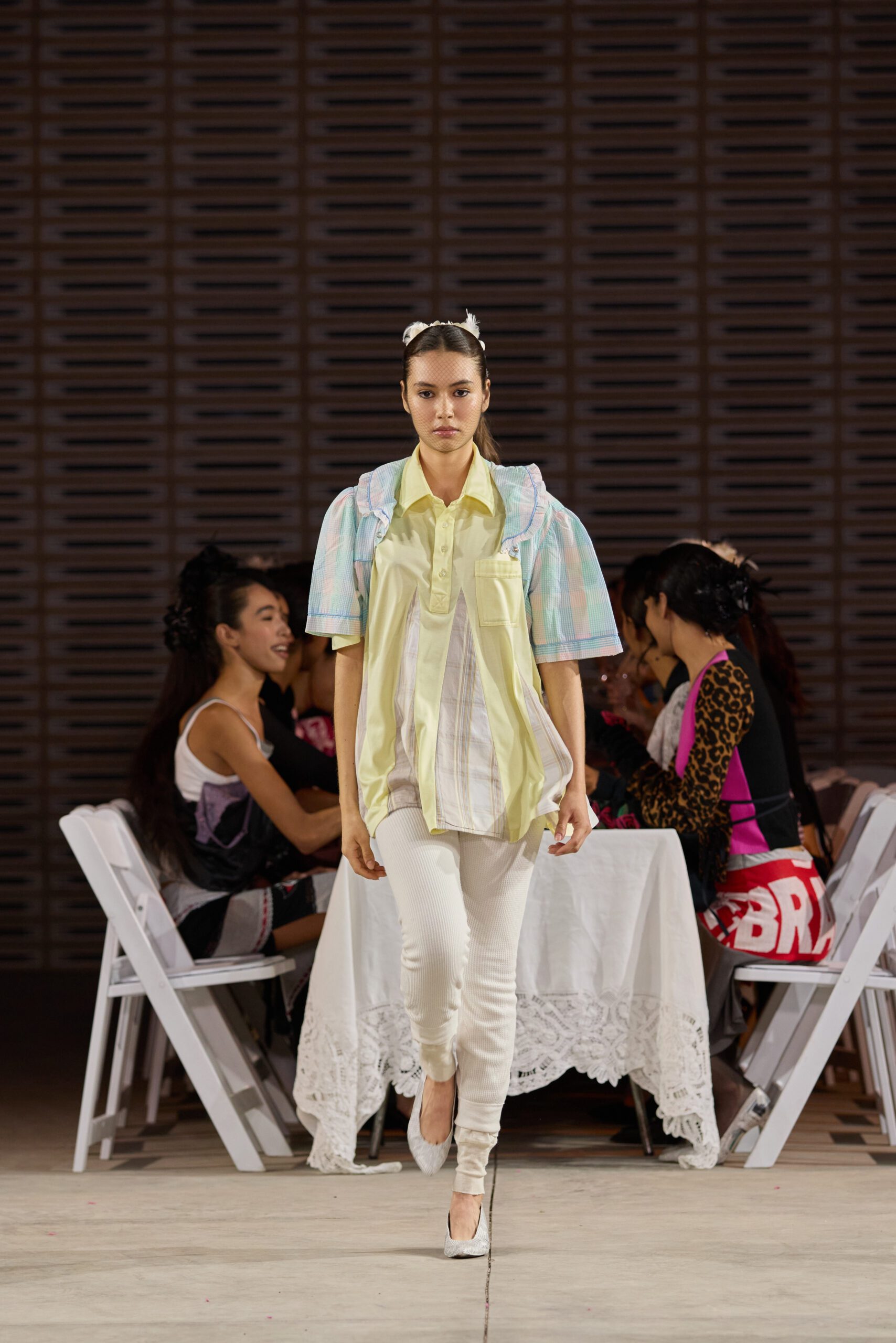
The final show belonged to Sentimiento, led by designer María Isas, whose collection TRAUMNOVELLE / FW26 interwove memory, heritage, and intimate fiction. Drawing from domestic rituals and family scenes, Isa transformed the everyday embroidered tablecloths, gala dresses, and shared ceremonies into symbolic garments charged with emotional depth. Beneath its festive surface, the collection revealed a quiet tension, exploring the unspoken dynamics that inhabit familiar spaces. It was a deeply personal and resonant finale, closing the week with a woman’s voice that was both introspective and boldly present.
While the broader program showcased the strength of Mexican fashion through designers such as Olmos y Flores, Abel López, Alfredo Martínez, ARRE, Benito Santos, Hackett London, Liberal Youth Ministry, and NoName, it was the women who opened and closed the week who ultimately shaped its emotional frame. Their work offered some of the most compelling moments of the event not by contrast or confrontation, but by the clarity and authorship of their visions.
Volvo Fashion Week Mexico Guadalajara ended with a collective celebration, yet the imprint left by these women designers remained unmistakable: a reminder that even in a schedule where they are few, their voices can define the beginning, the end, and the lasting resonance of an entire fashion week.